Software Engineering
Building custom business software: the challenges and how we solve them
Why business software projects often run late, over budget or never get used, and the working method that prevents it: clear scope, staged delivery and automated tests.
- Mehdi Hassanbeigi
- 25 November 2026
- 2 min read
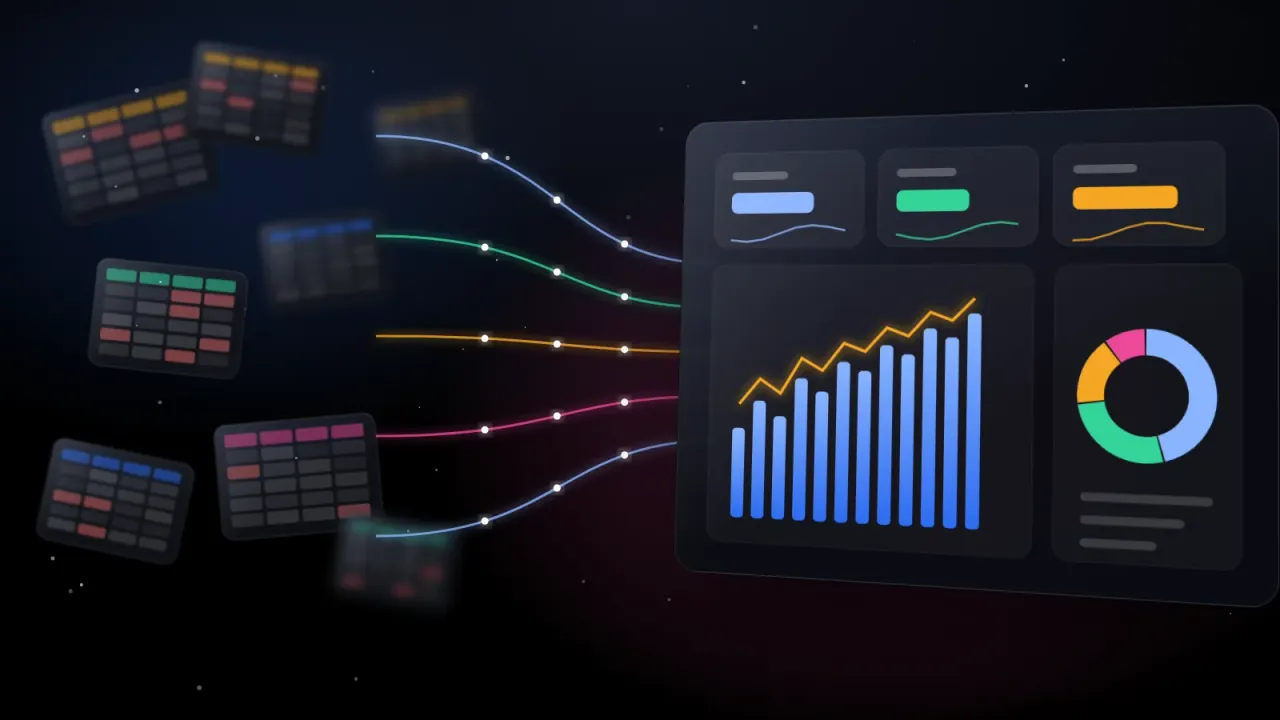
Most growing businesses run on spreadsheets, messaging apps and a few disconnected tools. That works until the volume grows: the same data is typed twice, mistakes slip through and every report takes a day to prepare. Custom software can fix this, but only when it is defined and built the right way.
The challenges
- Vague requirements. “We need a sales system” is not yet a specification. Ambiguity at the start turns into cost and delay later.
- Big-bang delivery. When the result is seen only at the end, every correction is late and expensive.
- Dependence on one developer. Code without tests or documentation becomes hard to maintain once its author is gone.
- Messy legacy data. Spreadsheets and old systems are usually full of duplicate, incomplete or inconsistent records.
How we solve it
- Start from the process, not the screens. We walk through the real workflow with you and write it down: who records or approves which data, and when.
- Written, staged scope. The work is split into small stages; each delivers something usable and is reviewed before the next one starts.
- Automated tests and documentation. Important business rules are covered by automated tests, and the source code, deployment guide and user guide are handed over with the system.
- Controlled data migration. Old data is cleaned before it moves, and a reconciliation report shows every record that did not transfer.
- Deployment on your infrastructure. The system runs on your server or cloud account from day one, with backups and monitoring.
The result is software that fits the way your team actually works, can be maintained, and does not depend on any one person. If you are not sure whether you need custom software or an off-the-shelf tool would do, that is exactly what we look at in the first conversation.
- Custom software
- Software engineering
- Digital transformation